How do I know if I have termites?
Look for mud tubes on foundation walls, discarded wings, hollow-sounding wood, or sticking doors. These signs can also have other causes, so an inspection from a local provider is the safest way to confirm.
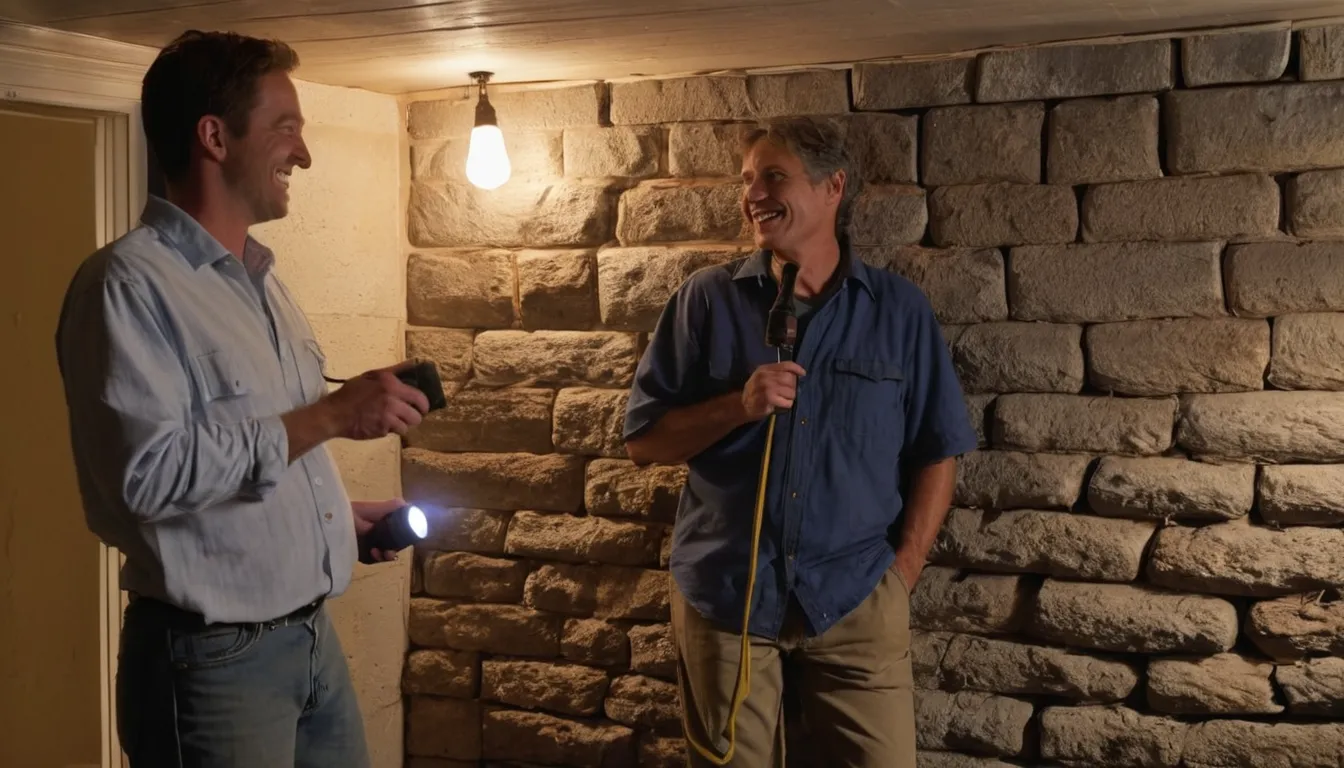
A lot of people think termites are a problem for someone else's house. In practice, they show up in tidy, well-kept homes all the time. They work out of sight, inside walls, floors, and framing, so many owners find them late.
Chicagofinger Pest Control is a referral service. We do not do the treatment. We connect homeowners in the Canonsburg area with independent providers in our network who inspect, treat, and explain what they find. Fix it, then keep it: the goal is a clear plan for after the work, so the problem stays gone. You can request an estimate with no obligation.
If you found mud tubes, wings, or soft wood, take it seriously. Do not poke at the area or spray it yourself. Spraying can scatter the colony and make it harder to track.
Request a callback to check provider availability, or use the request form. Many providers can respond quickly to a termite concern.
A lot of people think cold winters keep termites away. In practice, colonies move deeper into the soil when the ground freezes, then get back to work in spring. Heated basements give them a steady food source all winter.
Termites do not take a season off. A small problem can spread through framing while you decide what to do. Early treatment usually means smaller repairs and a simpler plan.
No single sign tells the whole story. Look for a few of these together.
These pencil-width tunnels of dirt run up stone, block, or concrete. They let termites travel without drying out.
Winged insects indoors, or small piles of wings near windows and doors, often point to a mature colony nearby.
Tap baseboards and sills. A papery or hollow sound is a clue. Doors and windows that suddenly stick can also be a hint.
Most people never see a worker termite. They stay inside the wood and keep a thin outer layer in place. That is why a home can look fine while the framing is being damaged.
The type matters because it decides the treatment.
These nest in soil and reach your home through foundations, cracks, and wood that touches the ground. They are the most common type in colder regions.
These live inside dry wood and do not need soil contact. They are more common in warmer climates but can arrive in furniture or lumber.
These prefer wet, rotting wood. Leaky roofs, wet sills, and damp crawl spaces can invite them.
Providers in our network usually follow a clear order. Methods vary by provider and by home.
The provider checks the foundation, basement, framing, and any wood near soil. They look for active colonies, old damage, and moisture.
For soil termites, a provider may place a liquid barrier around the foundation or set bait stations. Some homes use both.
For wood-dwelling termites, a provider may treat the affected areas directly. Large infestations can need a wider plan.
Older housing often has stone or block foundations with small gaps and mortar cracks. Full basements and Cape Cod style framing add more spots where wood meets masonry. Tell the provider about these details so the plan fits your house.
Buyers and lenders may ask for a termite inspection. If you are selling, an early look gives you time to treat and repair without a rush. If you are buying, a written report helps you plan.
Ask each provider to explain the method in plain words. Ask what is covered in writing, how long any warranty runs, and what follow-up visits are included. Get the quote in writing and compare it with others.
Myth: once the treatment is done, you are finished. Reality: the conditions that drew termites in are still there unless you change them.
Busy household? Say so up front. Many providers can schedule visits around work, school, and pets, and they can explain what to move before they arrive.
Request a callback to ask about scheduling, or request an estimate online.
A provider checks foundation, framing, and basement for active colonies, old damage, and moisture problems.
Liquid treatment around the foundation helps block soil termites from reaching your home.
Stations placed around the yard can reduce a colony over time with little disruption.
Many providers offer recheck visits so you can catch new activity early.
Prices vary by home size, termite type, and how far the problem has spread. These are typical U.S. ranges only. Always ask for a written quote.
| Service | Typical range | Notes |
|---|---|---|
| Termite inspection | $75 – $300 | Some providers include it with treatment |
| Liquid soil barrier | $1,200 – $3,500 | Depends on foundation length |
| Bait station system | $1,500 – $3,000 | Often includes monitoring visits |
| Spot wood treatment | $250 – $900 | For small, contained areas |
| Whole-structure treatment | $1,500 – $4,000 | Used for wider drywood problems |
| Yearly renewal or recheck | $100 – $400 | Varies by provider and plan |
Request a callback or send the request form. Describe what you saw and where.
We connect you with an independent provider near you.
Ask for the method, timing, and price in writing.
Follow the prevention tips and book any rechecks.
Providers in our network can explain what to change at home so termites stay away.
You compare local providers and quotes, and you decide who to hire with no obligation.
Many providers know stone foundations, full basements, and the cracks that termites like.
Ask providers to plan visits around your schedule.
Tell us what you are seeing in your Canonsburg home. Request a callback to check provider availability, or send a request with no obligation.
No obligationLook for mud tubes on foundation walls, discarded wings, hollow-sounding wood, or sticking doors. These signs can also have other causes, so an inspection from a local provider is the safest way to confirm.
Store-bought sprays usually kill only the termites they touch. The colony often stays hidden in soil or framing. A provider can find the source and choose a method that fits your home, which is a safer choice for lasting results.
Many policies exclude termite damage because it builds slowly. Some policies may cover sudden damage, so check yours. Providers can often help document the damage for a claim.
Tell us what you are seeing in your Canonsburg home. Request a callback to check provider availability, or send a request with no obligation.
No obligation