How often should I get residential pest control?
It depends on your home and the pests you see. Some homes need one visit. Others do better with quarterly or seasonal visits. A provider can suggest a schedule after inspecting the house.
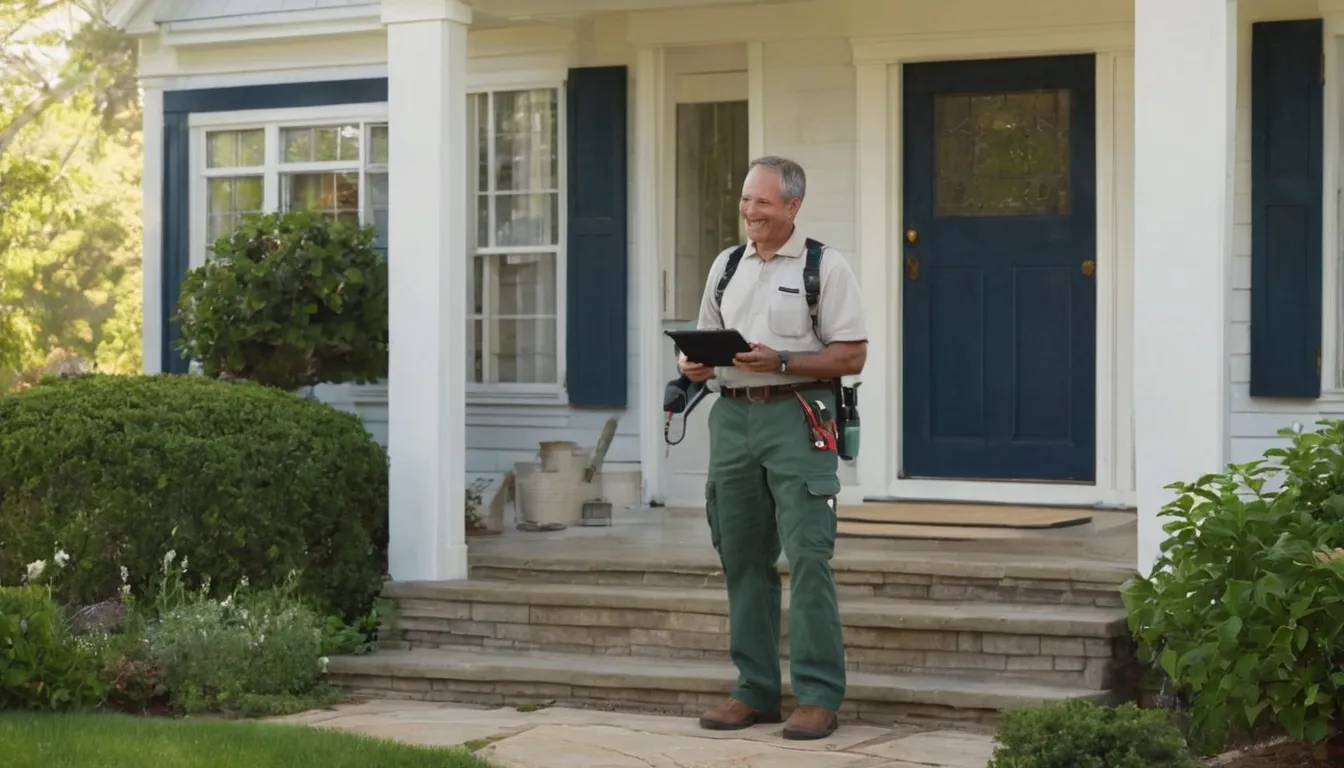
Many people think pest control means one quick spray. In real homes, it works better as a short plan. A provider finds where the pests are getting in, treats the problem, and shows you what to change so it does not repeat.
Chicagofinger Pest Control is a referral service. We do not do the treatment. We connect homeowners in the Canonsburg area with independent providers in our network who handle ants, spiders, roaches, crickets and other common household pests. Older homes, damp basements and stone foundations bring their own challenges, and a local provider knows them. Visits can be planned around your week, so work, school and bedtime routines stay on track. You can request an estimate with no obligation.
Ants on the counter. Spiders in the basement. Roaches behind the stove. You searched for an exterminator near me because you want it gone, and then you want it to stay gone.
Chicagofinger Pest Control is a referral service. Independent providers in our network do the actual treatment. Request a callback to check provider availability in the Canonsburg area.
A lot of people think a handful of insects can wait. In practice, what you see is only a small part of the group. Ants send scouts ahead of the colony. Roaches hide in wall gaps and come out after dark. Spiders show up because other bugs are already there.
Acting early usually means a smaller job. A young colony is easier to treat than one that has spread through a wall. Waiting tends to mean more visits and a bigger bill.
It is more than a spray. A solid visit has three parts:
Some providers also treat a barrier around the foundation and under the eaves. Ask what is included before you agree to anything.
Older neighborhoods see a steady mix. Stone and block foundations, full basements and multi-family buildings give small pests plenty of ways in.
Bed bug treatment is a different job from a standard spray. Ask whether the provider handles it and how many visits to expect.
Shelf sprays kill what they touch. They often scatter ants into new spots and miss the nest. Providers pick the product and the placement for the pest in front of them, which saves repeat effort. A store product can still help with a single stray bug. A steady problem needs more.
Many people believe any treatment makes a home unsafe for kids and pets. In practice, many providers use baits, gels and small, targeted applications in cracks and voids, not open floor space. Products and rules vary, so ask.
Mention babies, pets, fish tanks and anyone with asthma before the visit.
Some think one visit ends it for good. Sometimes it does. A lone ant trail or a single nest may need just one treatment. Homes that keep getting visitors often do better with a seasonal or quarterly plan.
Cold winters push pests indoors in fall. Spring snowmelt sends them looking for dry spots. Older houses with stone foundations have more gaps. Ask the provider which schedule fits your house, and get the plan in writing.
The treatment is the repair. Prevention is what protects it. Once the pests are gone, small habits matter more than another spray.
A follow-up check a few weeks later shows whether the work held.
Busy household? Say so when you book. Ask for a time window that avoids school runs and work calls. Ask how long the visit takes, whether someone must be home, and how long before you can use treated rooms again. Many visits are short, and good prep keeps the day moving.
A few questions help you compare:
Be careful with anyone who pressures you to sign on the spot. Two quotes make it easier to see what is fair.
A little prep goes a long way:
Some pests seem more active for a short time after treatment. That can be part of the process, so ask what to expect.
Request a callback to check provider availability, or send the request form for an estimate. There is no obligation, and you choose whether to move forward.
The provider checks indoors and out to find entry points, nesting spots and the conditions drawing pests in.
Products are placed where pests travel and feed, not sprayed everywhere.
Many providers treat around foundations, doors and eaves to stop pests before they get inside.
You get clear tips on sealing gaps, fixing damp areas and storing food to keep pests away.
Prices depend on the pest, the size of the home and how many visits are needed. These are typical U.S. ranges only. Always ask the provider for a written quote before work starts.
| Service | Typical range | Notes |
|---|---|---|
| One-time general treatment | $100 – $300 | Common for ants, spiders or crickets in a small area |
| Initial visit, ongoing plan | $150 – $400 | Often a deeper first treatment, then lower follow-ups |
| Quarterly maintenance visit | $100 – $200 | Per visit; plans vary by home size |
| Roach treatment | $150 – $600 | May need two or three visits |
| Exterior barrier treatment | $100 – $250 | Foundation, doors and eaves |
| Bed bug treatment | $300 – $2,500 | Depends on method and number of rooms |
Request a callback or send the form with the pests you see and where.
We connect you with an independent local provider from our network.
Ask for a written quote that lists pests, areas and visits.
Follow the prevention tips and ask about a follow-up check.
Independent providers in our network know the pests, housing styles and seasonal patterns in your area.
We clear up common myths so you know what to expect.
Ask for visit times that fit school, work and family routines.
Request an estimate and decide on your own terms.
Tell us what you are seeing in your Canonsburg home. Request a callback to check provider availability, or send a request with no obligation.
No obligationIt depends on your home and the pests you see. Some homes need one visit. Others do better with quarterly or seasonal visits. A provider can suggest a schedule after inspecting the house.
Many providers use targeted baits and small applications placed away from play areas. Ask what products are used, where they go, and how long kids and pets should stay clear of those spots.
Pests return when food, water or entry gaps are still there. Sealing cracks, fixing leaks and storing food in lidded containers help treatment last. Ask your provider about a follow-up check.
Tell us what you are seeing in your Canonsburg home. Request a callback to check provider availability, or send a request with no obligation.
No obligation