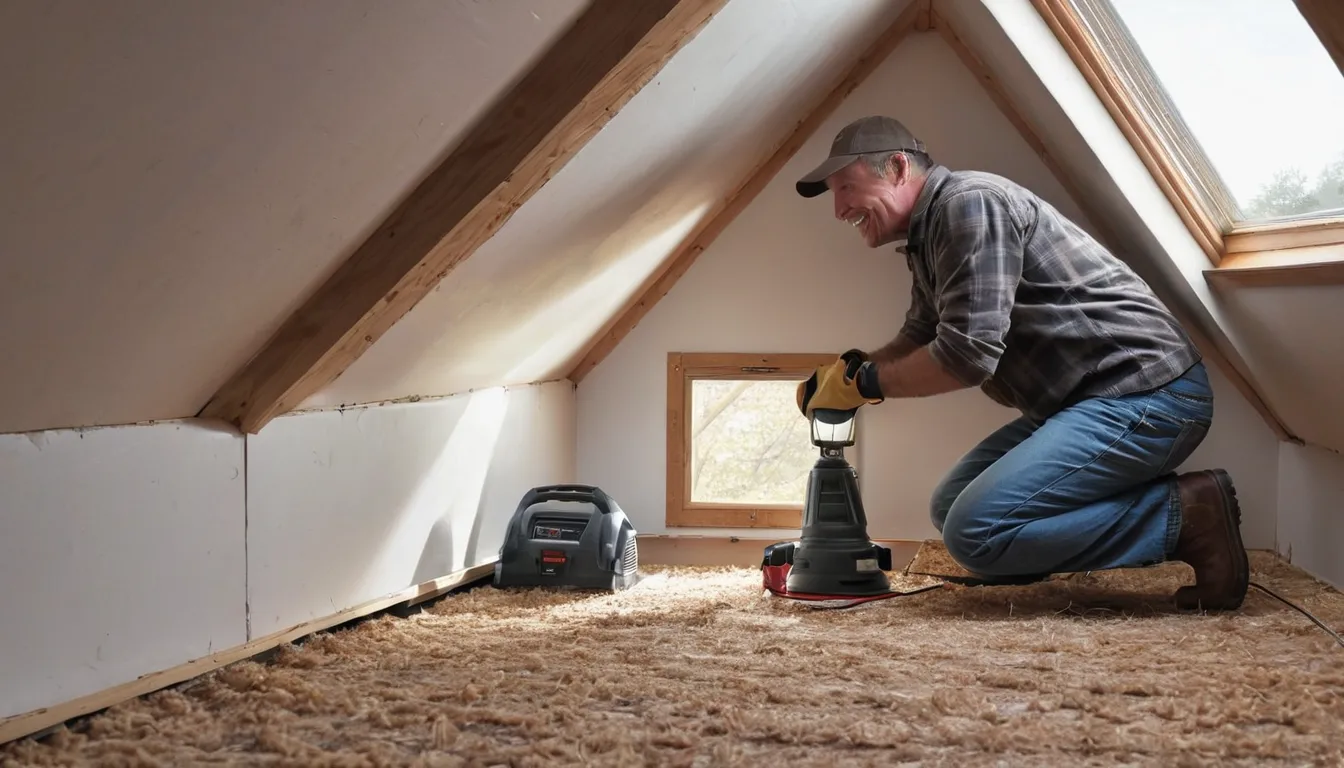
A lot of people think noises in the ceiling are just the house settling. In practice, it is often mice, rats, squirrels, or raccoons that found a warm way in. Cold snowy winters push them indoors, and older homes give them plenty of gaps.
Chicagofinger Pest Control is a referral service. We do not do the removal. We connect homeowners in Canonsburg and the Canonsburg area with independent providers in our network who handle rodent and wildlife removal. The goal is simple: fix it, then keep it from happening again. Visits can be planned around your week.
Noises in the Attic or Walls? Start Here
A lot of people think those night sounds are the house settling. In practice, steady scratching, thumping, or scurrying usually means something moved in. Wildlife removal is work for a trained local provider, not a weekend experiment.
Request a callback to check provider availability near Canonsburg and describe what you are hearing.
Get Started
Myth: "They Will Leave on Their Own"
Sometimes one animal wanders out. Most of the time it does not. An attic is warm, dry, and quiet. Add cold snowy winters, and a home looks like a hotel. Once nesting starts, the animals have every reason to stay.
Why Waiting Costs You
Rodents never stop gnawing. They can chew wiring, pipes, and ducts. Droppings and urine soak into insulation. In spring, many animals have young, and a mother may be raising babies in your wall. Many providers can respond quickly, so it helps to ask early.
Signs to Watch For
You may not see the animal at all. Look for clues:
- Scratching, rolling, or thumping in ceilings and walls, often at night
- Droppings along baseboards, in cupboards, or in the attic
- Greasy rub marks along walls and pipes
- Chewed wires, boxes, or insulation
- Stale, musky smells that do not fade
- Torn vents, gnawed soffits, or holes near the roofline
Myth: "One Mouse Means One Mouse"
Mice breed fast. By the time you spot one, others may be close by. A provider looks for the whole picture: how many, where they travel, and where they got in.
Animals Providers Commonly Handle
Providers in our network deal with a range of animals, depending on the job:
- Mice and rats in walls, basements, and kitchens
- Squirrels and chipmunks in attics and soffits
- Raccoons in chimneys and roof spaces
- Bats in attics and gaps near the roofline
- Opossums and skunks under porches and decks
- Birds nesting in vents and eaves
Older Homes Have Plenty of Doors
Stone and block foundations settle and crack. Full basements have pipe gaps and old window wells. Cape Cod homes have knee-wall spaces that are easy to miss. Multi-family buildings share walls, so a problem next door can become yours. A provider checks all of these.
How Removal Works
The steps are simple. A provider inspects the home inside and out. They find the entry points and identify the animal. Then they pick a method, such as traps, one-way doors, or exclusion work. Last, they seal the openings. Ask what the plan is before work begins.
Humane Handling and Local Rules
Some animals are protected, and bats are a common example. Many areas limit when and how certain animals can be removed or relocated. Rules vary by state and town. A good provider knows them and explains them in plain words.
Myth: "Poison Solves It"
It can create new trouble. A poisoned animal may die inside a wall, and the smell can last for weeks. Poison can also harm pets and wildlife outside. Many providers prefer traps and sealing instead. Ask what they plan to use.
Get Started
Cleanup After the Animals Are Gone
Removal is only half of it. Droppings, nesting material, and soiled insulation can linger. Some providers offer cleanup and sanitizing. Others can point you to a specialist. Never sweep up droppings dry, because dust can carry germs.
Fix It, Then Keep It: Sealing the Home
This is the part people skip. If the hole stays open, new animals find it. Sealing usually means steel mesh, metal flashing, and sturdy caps on vents and chimneys. Done right, it can hold for years. Ask for a written list of what was sealed.
Plan Around Your Week
Busy household? Say so up front. Many providers can plan visits around school runs and work hours. Ask how long each visit takes, whether you need to be home, and how pets and kids should stay clear of traps.
Choosing a Removal Provider
Before you agree to anything, ask these questions:
- Are you licensed and insured in my state?
- Will you seal the entry points or only trap?
- What methods do you use, and are they humane?
- Is follow-up included in the quote?
- Can I have the quote and scope in writing?
Keeping Animals Out Through the Seasons
In fall, check rooflines and foundations before the cold arrives. After snowmelt, look for new gaps from freeze-thaw cycles. Trim branches back from the roof. Keep trash lids tight and store pet food in sealed bins. A yearly check by a provider is a simple habit.
Request a callback to talk through your situation and ask what a provider can do.
Get Started
What's Included
Inspection and Diagnosis
A provider finds where the animals live, how they got in, and what damage they have caused.
Removal Methods
Traps, one-way doors, or exclusion work chosen to fit the animal and local rules.
Entry Sealing
Gaps, vents, and rooflines are closed with durable materials to block return visits.
Cleanup and Follow-Up
Droppings and nesting material can be removed, with check-ins to confirm the problem stays solved.
Typical Rodent and Wildlife Removal Costs
Prices vary by animal, home size, and how many entry points need sealing. These are typical U.S. ranges, not quotes. Always get a written quote that lists exactly what the provider will do.
| Service | Typical range | Notes |
|---|
| Inspection | $100 – $300 | Some providers apply it to the job if you book |
| Mouse or rat trapping | $300 – $800 | Often includes a few follow-up visits |
| Squirrel or raccoon removal | $300 – $1,000 | Depends on animal count and access |
| Entry sealing (exclusion) | $500 – $3,000 | Larger or older homes cost more |
| Bat exclusion | $1,000 – $5,000 | Seasonal rules may affect timing |
| Cleanup and insulation | $1,000 – $6,000 | Depends on how much attic area is affected |
Get Started
How It Works
Tell Us What You Hear
Request a callback or send the request form. Share the noises, signs, and where in the home you notice them.
Get Matched Locally
We connect you with an independent provider in our network who serves your part of the Canonsburg area.
Review the Plan and Quote
The provider inspects, explains the method, and gives a written quote. There is no obligation.
Remove, Seal, and Follow Up
The provider removes the animals, closes the entry points, and may check back to confirm they stay out.
Why Call Chicagofinger Pest Control
Fix It, Then Keep It
Removal and sealing together help stop the same animals, or new ones, from coming back.
Independent Providers
You are matched with local businesses that do the actual work, not with Chicagofinger Pest Control staff.
Plain Answers
We clear up common myths so you know what to ask before any work begins.
Easy Scheduling
Ask providers about visits that fit around work, school, and the rest of your week.
Other Services